2026 OpenClaw Matrix Channel Setup & Troubleshooting: matrix-js-sdk Plugin, Minimal Config, Mac Cloud 24/7 Connectivity
Matrix is not a single HTTP webhook: credentials, long-lived sync, and (optional) encryption semantics differ from Slack or Discord. This article covers the 2026 OpenClaw path using the official matrix-js-sdk integration—plugin prerequisites, homeserver to room mapping, process supervision and egress/DNS checks on a Mac cloud host, and a symptom matrix for “no inbound,” “send failures,” and “flaky disconnects.” It ends with multi-channel notes, rollback, and a bridge to the five-minute deploy guide.
In this article
1. Pain points: sync, tokens, E2EE expectations
- Long-lived sync: If the gateway on Mac cloud is OOM-killed or launchd does not restart it, you see “hours of silence,” not an immediate stack trace.
- Bot identity and room ACLs: A dedicated bot user with send permission is easier to rotate than reusing a personal token.
- Encryption: In E2EE rooms, missing device trust or key setup can look like a broken plugin when the issue is crypto policy.
2. Plugin model and prerequisites (2026)
OpenClaw increasingly routes third-party capabilities through plugins and registries (e.g., ClawHub preferences). Install pinned versions non-interactively on the Mac cloud, back up ~/.openclaw (or your config root) before changes, and ensure the Node runtime matches supported ranges. Network-wise, the homeserver must be reachable from the host egress path; if the enterprise only allows HTTPS via proxy, set HTTPS_PROXY and NO_PROXY for the same environment as the OpenClaw process to avoid “curl works on host, service fails” false negatives.
3. Decision matrix: Matrix SDK vs webhook-style
| Dimension | Matrix (SDK plugin) | Slack/Discord-style |
|---|---|---|
| Connection | Long sync loop | Request/response or subscriptions |
| Credentials | Access token + device semantics | Webhook URL or OAuth app |
| Ops focus | Reconnect, lag, membership | 429 rate limits, URL rotation |
4. Five-step rollout
- Install and enable the Matrix plugin package; note peer dependency warnings.
- Configure homeserver base URL with full
https://; avoid self-signed in prod unless PKI is explicit. - Create or import a bot token via secrets; never log it in plain text.
- Invite the bot, grant send, smoke-test plain text in a minimal room.
- Run
openclaw doctorand tail logs; use launchd or equivalent for 24/7 restart backoff.
5. Reference metrics
- Sync lag: Under load, sync can lag seconds to tens of seconds; document an upper bound from repeated E2E tests.
- 429 / rate limits: Shared egress IPs across agents may need sharding or staggered jobs.
- Disk: Log rotation matters; full disks cause “silent” failures too.
- Version pinning: Stage plugin + core pairs for 24h before production.
6. Coexistence with Slack/Discord and FAQ
Can Matrix run with Slack? Yes—use separate credentials and log labels; change one channel at a time for bisect.
| Symptom | Check first | Then |
|---|---|---|
| No inbound | Room membership, sync started | Firewall, proxy, TLS |
| Send fails | ACL, rate limits | Model/workflow rules |
| Flaky | Process restarts, RAM, disk | Homeserver maintenance |
Rollback: Keep a tarball of the prior config; after disabling Matrix, confirm Slack/Discord still work to isolate the fault.
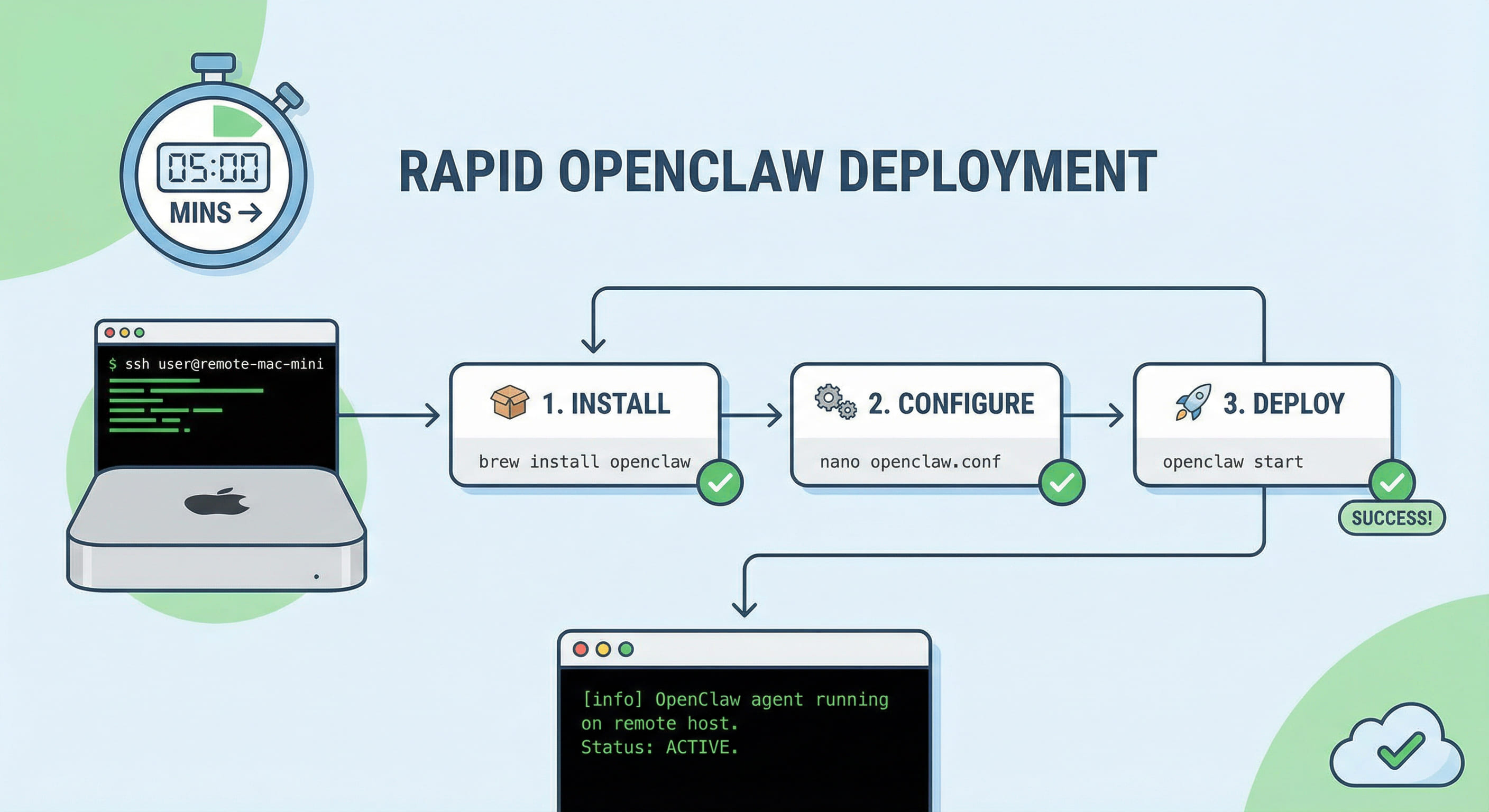
Windows or mixed containers add network and permission friction; Docker adds volume and DNS layers. For a native, SSH-friendly 24/7 home for OpenClaw and multiple channels, renting a dedicated Mac cloud node on VPSMAC is usually the smoother production choice. Follow the five-minute OpenClaw deploy guide to tighten the same workflow.